Summer heat creates perfect conditions for nitrification in municipal water systems, threatening compliance and public health. While most systems focus on reactive measures, the most effective strategies available now center on three proactive prevention methods that dramatically reduce emergency interventions.
Key Takeaways
- Nitrification poses the greatest threat to municipal water systems during peak summer conditions when temperatures are high and water usage drops, creating ideal conditions for bacterial growth.
- Effective prevention often requires maintaining adequate monochloramine residuals, typically above 1.5 mg/L, keeping water age low through strategic flushing programs, and implementing detailed action plans.
- Emergency response protocols, including temporary free chlorine conversion and targeted flushing, can quickly halt nitrification events once they begin.
- Advanced detection methods focusing on disinfectant residual monitoring, nitrite analysis, and free ammonia tracking prevent costly regulatory violations.
- Municipal systems that partner with specialized water treatment experts report significantly better compliance rates and fewer emergency interventions.
Municipal water system managers face increasing pressure to maintain regulatory compliance while delivering safe, high-quality water to their communities. Nitrification represents one of the most challenging threats to distribution system integrity, particularly as aging infrastructure and changing environmental conditions create new vulnerabilities. Understanding the latest control methods and prevention strategies becomes vital for protecting public health and avoiding costly violations.
Nitrification Threatens Water Quality During Peak Summer Conditions
Nitrification occurs when ammonia-oxidizing microbes convert ammonia into nitrite, followed by nitrite-oxidizing bacteria transforming nitrite into nitrate. This two-step biological process thrives in municipal distribution systems using chloramines for secondary disinfection, particularly when specific conditions align to favor bacterial growth.
The perfect storm for nitrification includes high free ammonia concentrations, low disinfectant residual levels, elevated water temperatures, and extended water age. Summer months create especially challenging conditions as reduced water usage combines with higher temperatures to accelerate bacterial activity. Sediments and deposits within aging infrastructure provide additional protection for bacteria while consuming precious disinfectant residual.
Systems experiencing nitrification face cascading water quality problems. Chloramine residuals decrease rapidly, often approaching zero in affected areas. Free ammonia levels initially spike before dropping as bacteria consume this nutrient source. The resulting biofilm growth leads to coliform occurrences, increased heterotrophic plate counts, and potential violations of disinfectant residual regulations. Hydrologics specializes in helping municipal water systems implement detailed nitrification control strategies that address these complex challenges.
Key Components of an Effective Nitrification Action Plan
Municipal water systems using Chloramine must develop detailed Nitrification Action Plans to maintain regulatory compliance and protect public health. These strategic documents serve as roadmaps for preventing and responding to nitrification events while ensuring consistent water quality throughout the distribution system.
1. System Details and Treatment Monitoring Locations
Effective action plans begin with detailed system documentation covering treatment processes, infrastructure characteristics, and historical nitrification patterns. Critical monitoring locations include dead-end mains, storage tanks, and pressure-plane overlap areas where water age reaches maximum levels. Systems must identify vulnerable zones where chloramine residuals consistently drop below baseline levels.
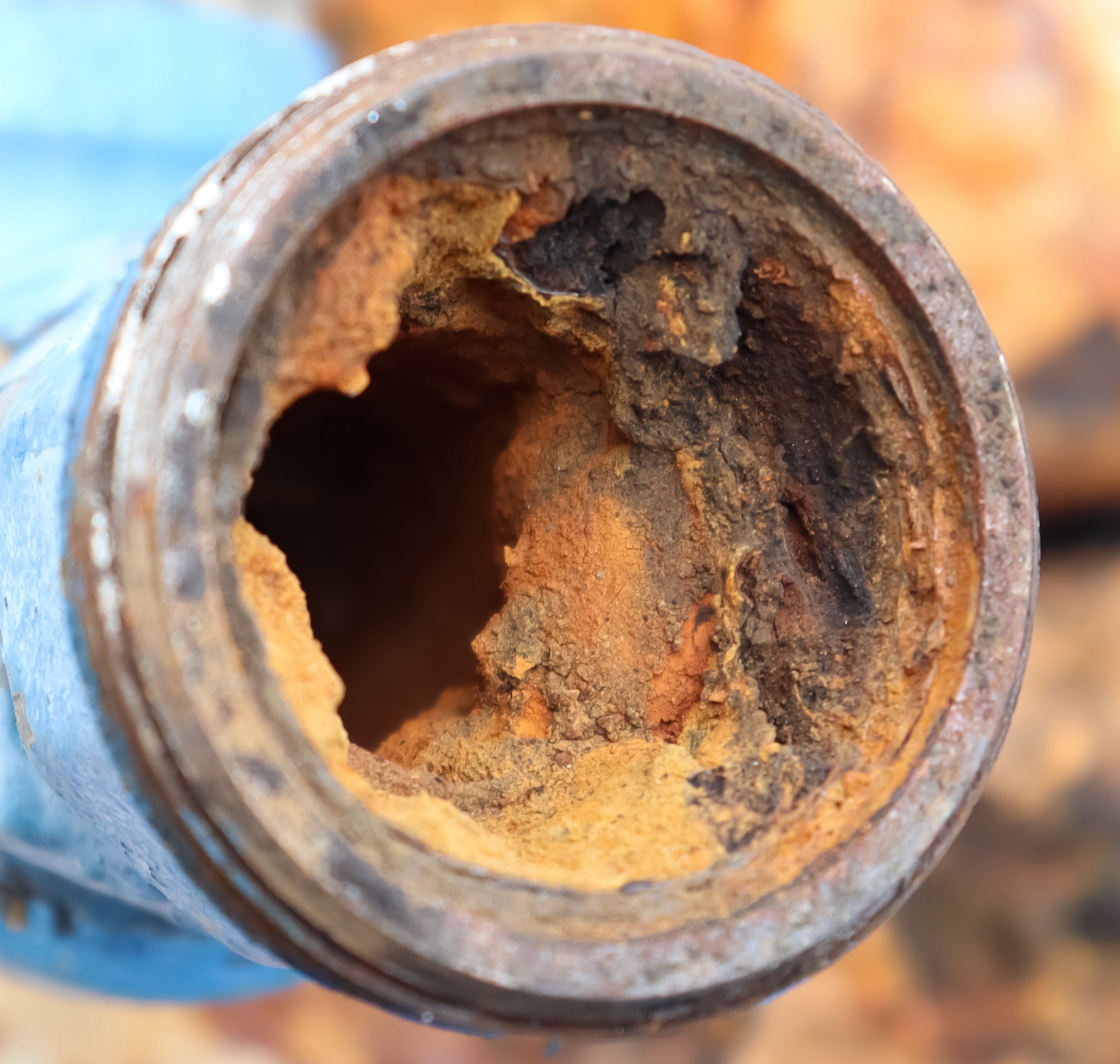
Infrastructure mapping reveals aging cast iron and ductile iron pipes, along with other materials, that can accumulate tuberculation deposits. These internal deposits create ideal environments for biofilm growth and bacterial protection from disinfectants. Documentation should include pipe materials, installation dates, and maintenance history to prioritize replacement schedules.
2. Water Quality Benchmarks and Trigger Levels
Establishing specific trigger levels enables rapid response before nitrification events escalate. Pinellas County Utilities demonstrates effective practices by setting action levels for chlorine-to-ammonia ratios, total chlorine residuals, free ammonia concentrations, pH levels, and nitrite formation. Their system monitors these parameters continuously to detect early warning signs.
Benchmark development requires baseline data collection across seasonal variations and usage patterns. Free ammonia leaving treatment plants should ideally remain below 0.1 mg/L, and preferably under 0.05 mg/L, though systems with pH levels above 9.0 may be able to operate with slightly higher levels; specific levels should align with regulatory guidelines and system-specific conditions. Monochloramine residuals must stay above adequate levels throughout the distribution system to prevent bacterial multiplication.
3. Data Analysis Process and Response Protocols
Systematic data analysis transforms monitoring results into actionable intelligence. Protocols should define specific response actions for different severity levels, from increased monitoring frequency to emergency free chlorine conversion. Response timing proves critical since nitrification accelerates rapidly once established.
Regular plan reviews ensure effectiveness as system conditions change. Updates should incorporate lessons learned from previous events, infrastructure modifications, and regulatory changes. Training programs keep operators current on detection methods and response procedures.
Proven Prevention Strategies That Keep Systems Compliant
Prevention remains the most effective approach to nitrification control, requiring proactive measures that address root causes before bacterial populations establish themselves. Successful strategies focus on optimizing treatment processes, reducing water age, and maintaining infrastructure integrity.
1. Optimize Chloramination Process and Maintain Proper Ratios
Chloramination optimization starts with understanding source water ammonia content and adjusting ammonia addition accordingly. Systems must account for existing free ammonia when calculating proper chlorine-to-ammonia ratios to form stable monochloramine molecules. Improper ratios create excess free ammonia that feeds nitrifying bacteria.
Treatment process improvements include better organic matter removal through optimized coagulation and flocculation. Better mixing during chloramine formation ensures uniform disinfectant distribution. Booster chlorination stations can combine residual free ammonia with chlorine to form additional chloramines in remote distribution areas.
Systems using multiple disinfectant sources face challenges when blending chloraminated and chlorinated waters. Uncontrolled blending disrupts chlorine-to-ammonia ratios, causing disinfectant residual loss and creating conditions favorable for nitrification. Regulatory approval becomes necessary for any blending operations.
2. Reduce Water Age Through Strategic Flushing Programs
Water age reduction represents one of the most effective prevention strategies since disinfectant residuals naturally decrease over time. Strategic flushing programs keep fresh water moving through distribution systems while removing stagnant water from vulnerable areas.
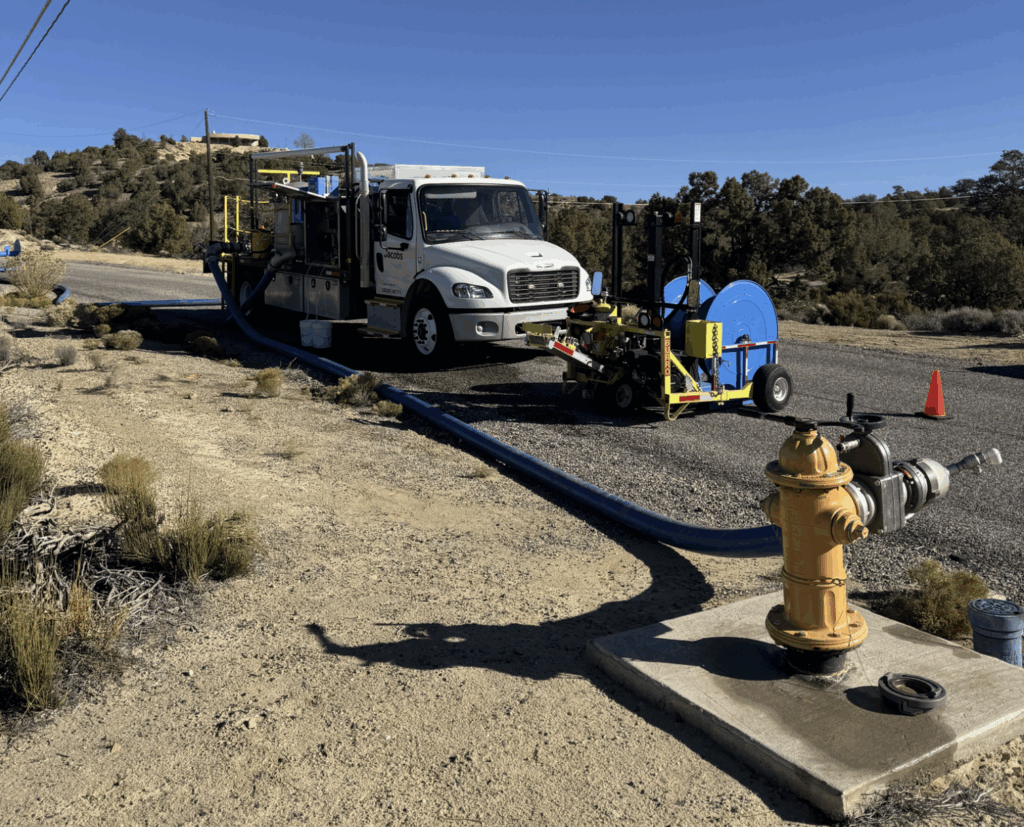
Unidirectional flushing programs conducted annually help many systems maintain nitrification control. Regular monthly flushing of dead-end mains, as required by regulations, prevents bacteria from establishing biofilms in low-flow areas. Automated flushing units can maintain consistent free chlorine residuals in problem zones.
Storage tank operations require careful management to minimize water age. Tank cycling strategies rotate units out of service for cleaning while maintaining adequate storage capacity. Even quarter-inch sediment layers provide sufficient habitat for nitrifying bacteria, making regular cleaning necessary.
3. Infrastructure Replacement for High-Risk Components
Aging infrastructure creates numerous challenges for nitrification control as corroded pipes and equipment provide crevices where bacteria escape disinfectant contact. Tuberculation in older cast-iron systems particularly favors bacterial growth while consuming disinfectant residuals.
Replacement prioritization focuses on components requiring excessive maintenance to maintain residuals. Modern pipe materials resist corrosion and reduce maintenance requirements while improving overall system reliability. Mechanical pigging can remove deposits from existing cast iron pipes as an interim solution.
Addressing aging infrastructure is a significant challenge for municipal systems, with nationwide investment needs approaching $1.7 trillion; prioritizing replacement of components prone to corrosion and deposit accumulation can directly improve nitrification control.
Emergency Response Methods When Nitrification Strikes
Despite prevention efforts, nitrification events can occur rapidly, requiring immediate response to protect public health and maintain regulatory compliance. Emergency protocols focus on eliminating bacterial food sources and restoring disinfectant residuals throughout affected areas.
Temporary Free Chlorine Conversion Protocol
Free chlorine conversion is an effective method for halting active nitrification by eliminating ammonia but requires careful planning and consideration of potential disinfection byproduct formation. The process requires careful planning and regulatory notification, with the specific timeframe varying by jurisdiction; exceptions may be made during emergency situations.
Customer notification prevents confusion about taste and odor changes during conversion periods. Systems must monitor total chlorine, monochloramine, and free chlorine levels until results stabilize. Successful conversion shows total chlorine equaling free chlorine readings throughout the distribution system.
Wholesale customers require advance notice about converted water arrival times to coordinate their own system operations. The conversion process temporarily increases disinfection by product formation, requiring regulatory coordination to avoid compliance violations during treatment periods.
Distribution System Flushing for Localized Events
Targeted flushing effectively addresses limited, localized nitrification events without system-wide disruption. High-velocity flushing removes biofilms and bacterial populations while introducing fresh water with higher disinfectant residuals.
Flushing programs must consider hydraulic modeling to ensure adequate flow velocities for biofilm removal. Sequential flushing prevents contamination from spreading to clean areas. Post-flushing monitoring confirms bacterial elimination and residual restoration.
Combined approaches using flushing followed by free chlorine conversion provide maximum effectiveness for severe events. Storage tank draining and disinfection becomes necessary when tanks serve as nitrification sources.
Pinellas County’s Approach to Nitrification Management
Pinellas County Utilities demonstrates a thorough approach to nitrification management through their integrated program that combines proactive monitoring, strategic flushing, and rapid response protocols. Their system offers valuable insights for municipal water managers seeking effective control methods.
The county’s monitoring program tracks pH, temperature, nitrite levels, and total residual chlorine at strategic locations throughout their distribution system. Action levels established for each parameter trigger specific response measures before nitrification events escalate. This proactive approach prevents emergency situations and maintains consistent water quality.
Their flushing strategy incorporates both routine maintenance and responsive actions based on monitoring results. Regular system flushing maintains water turnover while targeted interventions address specific problem areas. Combined with infrastructure improvements and staff training, this approach has significantly reduced nitrification incidents.
Advanced Detection Methods Save Systems from Regulatory Violations
Early detection enables proactive responses that prevent nitrification events from escalating into regulatory violations. Advanced monitoring strategies focus on key indicators that signal bacterial activity before significant water quality degradation occurs.
1. Disinfectant Residual Monitoring and Mapping
Systematic residual monitoring provides the foundation for effective nitrification detection. Mapping disinfectant levels reveals patterns that identify vulnerable areas and focus mitigation efforts. Residual drops below baseline levels often precede visible nitrification signs by several days or weeks.
Continuous monitoring systems enable real-time tracking of residual levels throughout distribution networks. Automated alerts notify operators when readings fall below predetermined thresholds. Geographic information systems integrate monitoring data with infrastructure maps to identify high-risk zones.
Remote monitoring stations in critical locations provide continuous oversight without requiring manual sampling. These systems prove particularly valuable in dead-end areas and storage facilities where nitrification typically begins.
2. Nitrite and Nitrate Level Analysis
Nitrite and nitrate monitoring reveals nitrification stages and bacterial activity patterns. Ammonia-oxidizing bacteria produce nitrite as their primary metabolic product, while nitrite-oxidizing bacteria generate nitrate from available nitrite sources. Understanding these relationships helps operators determine appropriate response strategies.
Quarterly monitoring provides minimum regulatory compliance, but more frequent sampling creates detailed pictures of bacterial activity patterns. Laboratory analysis combined with field testing enables rapid assessment of nitrification progression.
Trending analysis identifies seasonal patterns and infrastructure-related problems. Systems experiencing consistent nitrite increases in specific zones can target prevention efforts more effectively.
3. Free Ammonia Baseline Tracking
Free ammonia monitoring reveals bacterial consumption patterns that indicate active nitrification. Decreasing ammonia levels throughout distribution systems suggest bacterial growth even when other indicators remain normal. Establishing baseline ammonia levels for each system zone enables early detection of consumption changes.
Ammonia levels below treatment plant outputs or established system baselines may indicate potential bacterial activity and warrant further investigation. This parameter often changes before residual depletion becomes obvious through standard monitoring. Automated ammonia analyzers provide continuous tracking capability.
Correlation analysis between ammonia consumption and other parameters helps operators understand system-specific nitrification patterns. This knowledge enables predictive responses that prevent full-scale events.
Partner with Hydrologics for Detailed Nitrification Control Solutions
Municipal water system managers require expert support to implement effective nitrification control programs that address their unique operational challenges. Specialized expertise helps systems avoid costly mistakes while developing sustainable prevention strategies tailored to local conditions.
Detailed control programs integrate multiple prevention and response strategies into coordinated management systems. Expert guidance ensures proper implementation of monitoring protocols, emergency response procedures, and infrastructure improvements. This holistic approach maximizes effectiveness while minimizing operational disruption.
Regulatory compliance requires detailed understanding of monitoring requirements, response protocols, and documentation standards. Professional support helps systems navigate complex regulations while maintaining focus on water quality objectives. Investment in expert consultation prevents expensive violations and protects public health.